A successful client appreciation dinner gives guests time to enjoy their meal, speak comfortably and feel personally acknowledged. The programme should provide enough structure for the evening to run smoothly while leaving room for genuine conversation.
For a dinner in Singapore, that means considering dietary requirements, arrivals after work and the mix of relationships around each table. Start with one clear purpose: thanking clients for their trust. Build the welcome, seating, speeches and service around that purpose, with no pressure on guests to discuss their next purchase.
Set Expectations Before Guests Arrive
The invitation establishes the tone. Describe the occasion as a thank-you dinner and include the arrival time, dinner start, expected finish, dress code and exact location. Guests should know whether they are joining a relaxed gathering or an evening with formal remarks.
Use the RSVP to collect dietary requirements, accessibility needs and preferred names. Ask who will attend from each organisation so you can prepare introductions and seating accurately.
Avoid promising “an evening of appreciation” and then introducing an unexpected product presentation. If a business update genuinely belongs in the programme, mention it beforehand and keep it brief.
Make the Welcome Personal and Organised
Assign someone who knows the clients to greet arrivals alongside whoever manages registration. A familiar face makes the first few minutes easier, particularly for guests attending alone.
Keep check-in simple. Confirm the guest’s name, explain where to leave belongings and introduce them to a host or another attendee. Avoid leaving people standing near the entrance while staff search for their table.
Brief hosts on names, pronunciation and relevant relationship details. Those notes should help them welcome people thoughtfully; confidential account information should stay out of sight.
Allow a modest arrival window before opening remarks. Late arrivals can then settle discreetly without delaying dinner for everyone else.
Seat Guests for Comfortable Conversation
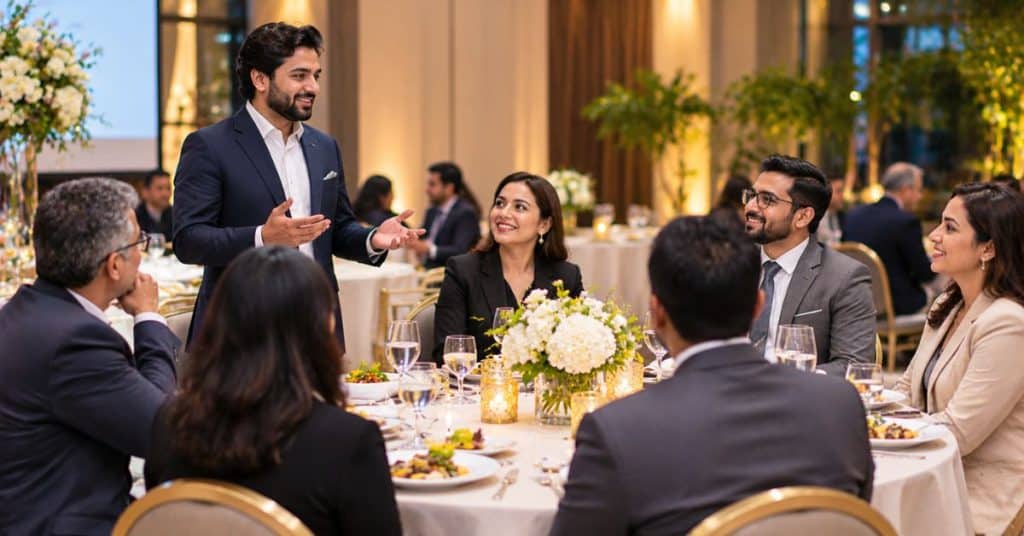
Spread your team across the room so each table has someone responsible for introductions and attentive hosting. Placing all senior staff together can leave clients feeling that they are attending someone else’s company dinner.
Pair guests through shared interests or compatible professional backgrounds. Exercise judgement when seating direct competitors together, especially where conversation could drift towards commercially sensitive subjects.
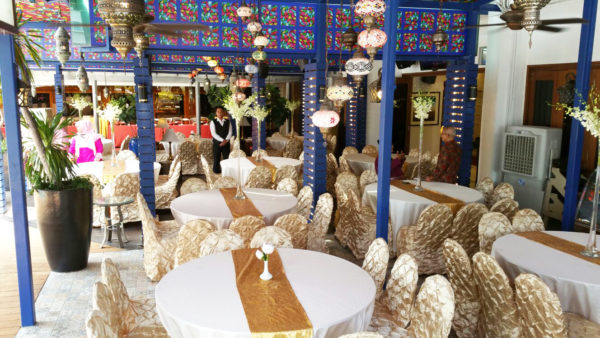
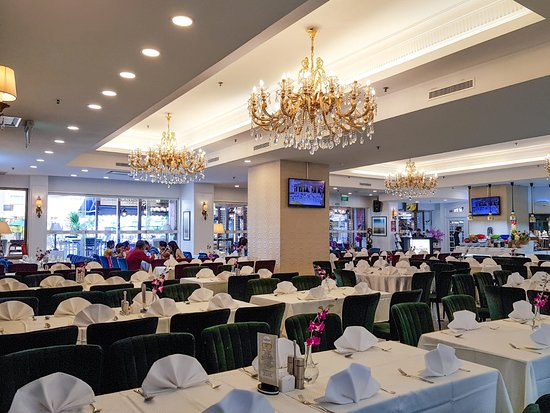
When reviewing The Landmark’s event spaces, ask for a layout showing dining tables, buffet access and presentation equipment. The venue page lists Red Velvet, Sapphire and The Landmark Ballroom, with different seating capacities. Confirm the arrangement suitable for your dinner, including circulation space.
Keep centrepieces low enough for eye contact, and check that background music allows conversation without raised voices.
Keep Appreciation Speeches Specific and Brief
Choose one principal speaker and give them a clear brief: welcome everyone, express thanks and acknowledge what the relationship has meant.
A useful speech might recognise clients’ constructive feedback, patience during a demanding project or willingness to collaborate. Specific appreciation sounds more sincere than a list of broad claims about “valued partnerships”.
For example:
“Thank you for the trust you have placed in our team, and for the honest feedback that has helped us improve how we work with you.”
Aim for around three to five minutes as a planning guideline. Rehearse names and remove confidential project details, revenue figures or comparisons between clients.
If you acknowledge individuals, agree on a fair approach beforehand. Publicly praising only the largest accounts can undermine the evening’s inclusive tone.
Build the Programme Around Dinner Service
Agree on the running order with the venue before finalising speeches or activities. Microphone announcements compete with buffet queues, plate clearing and guests returning to their seats.
The following is an illustrative programme, to be adjusted to your booking and service arrangements:
| Time | Programme | Hosting priority |
| 6.30–7.00 pm | Arrival and introductions | Help every guest join a conversation |
| 7.00–7.05 pm | Welcome and appreciation | Deliver one focused message |
| 7.05–8.10 pm | Dinner and table conversation | Allow an uninterrupted dining period |
| 8.10–8.20 pm | Optional recognition or brief remarks | Keep participation comfortable |
| 8.20–8.50 pm | Dessert and informal conversation | Let hosts reconnect with guests |
| 8.50–9.00 pm | Closing thanks and farewells | Finish at the promised time |
For buffet service, agree how tables will be invited and who will guide guests. If the programme slips, shorten optional remarks before cutting dining time.
Give one coordinator responsibility for communicating changes to the speaker, service team and hosts.
Choose Food That Makes Hospitality Easier
The menu should allow guests to enjoy dinner without repeatedly asking what they can eat. In Singapore’s diverse business setting, collect requirements individually rather than making assumptions from names or backgrounds.
The Landmark’s banquet and corporate event options include buffet dining. Its published Red Velvet Celebration Package offers international, Malay and Indian buffet menus. Confirm which package and menu apply to your chosen room and date.
Ask about vegetarian meals, allergies, ingredient information and how separately prepared meals will reach the correct guests. Halal provision does not resolve every dietary requirement.
Select dishes with different spice levels and manageable portions. If considering live stations, discuss queue space and preparation speed so the food service supports the evening’s pace.
Give Hosts a Clear Role During Dinner
Hosts should draw people into conversation without making the table feel managed. Useful opening questions concern shared interests, professional experiences or what guests have enjoyed recently.
Brief your team to listen, introduce quieter attendees naturally and avoid monopolising discussions. An appreciation dinner becomes uncomfortable when every conversation turns towards renewals, referrals or sales targets.
If a client raises a service concern, acknowledge it respectfully and arrange a private follow-up. Avoid debating the account history across the table.
Any entertainment should suit the audience and allow guests to decline participation easily. Forced games, surprise speeches and jokes about particular clients can create unnecessary awkwardness.
Close Gracefully and Follow Through
Signal the end with a short thank-you and have hosts available for personal farewells. Guests should be able to leave at the stated time without feeling they are missing an important announcement.
If offering gifts, check recipients’ organisational policies beforehand and choose something modest. Keep photography optional, and confirm permission before publishing identifiable guest images or testimonials.
Send a personal thank-you within the next working day or two. Refer to a genuine conversation where appropriate and deliver anything you promised. Avoid attaching a sales proposal unless the guest requested one.
Frequently Asked Questions
How long should a client appreciation dinner last?
Around two to three hours is a practical starting point. Adjust for guest numbers and service, then communicate a clear finish time.
Do we need a professional emcee?
A confident internal host can manage a simple dinner. Consider an emcee when there are multiple speakers, recognition segments or more complex transitions.
Should clients be asked to give speeches?
Only by prior agreement. Explain the subject and timing, and make declining easy. Never invite an unprepared guest to speak unexpectedly.
Is a buffet suitable for a professional client dinner?
Yes, provided access, table invitations and replenishment are organised. Schedule formal remarks when guests are seated rather than moving through the buffet.
What should we confirm with the venue?
Confirm the layout, menu, dietary arrangements, service window, microphone provision, access times and final charges. Identify the person coordinating service in the evening.