Guests experience an event through the room around them. They notice whether conversation comes easily, whether their seat feels comfortable and whether the setting suits the occasion. A beautiful backdrop may catch their attention, but these everyday details influence how much they enjoy being there.
Venue atmosphere matters because it shapes expectations, supports social interaction and affects physical comfort throughout an event. For hosts in Singapore, getting it right means balancing visual appeal with practical considerations such as tropical weather, varied dietary needs and gatherings that bring several generations together.
First impressions set expectations for the occasion
For an event, the practical lesson is to make the arrival experience feel considered: a clearly identified entrance, an orderly reception area and a room ready to welcome people.
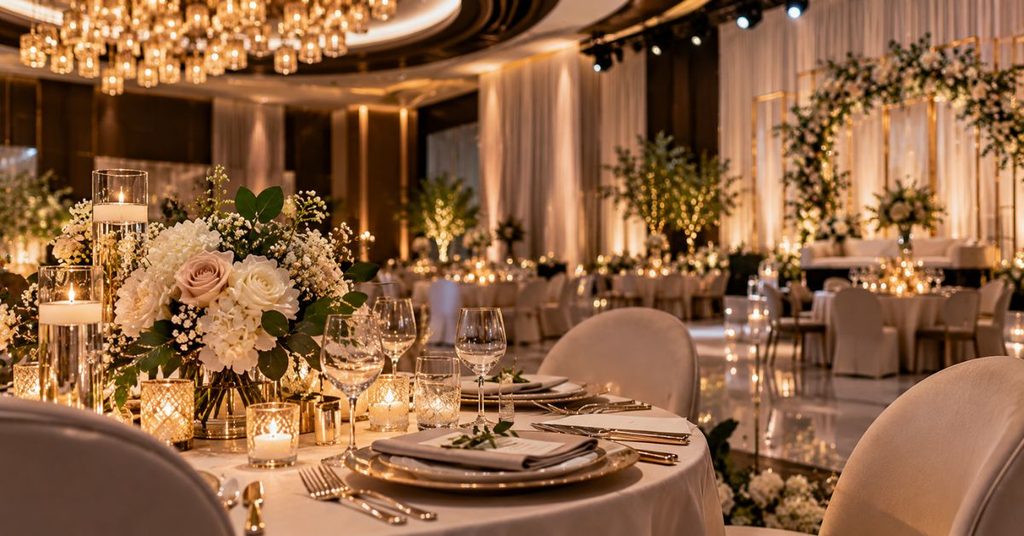
The setting should also reflect what guests have been invited to experience. A formal dinner needs a sense of occasion, while a networking reception should make introductions feel natural. An overly formal arrangement can feel awkward for an informal gathering.
Choose a few details that communicate the event’s character, such as coordinated table settings or a meaningful welcome display. Their purpose is to help guests feel that they have arrived somewhere prepared for them.
Lighting helps guests enjoy what is happening
Lighting determines how easily people can see faces, read menus and follow the programme. It also gives hosts a way to mark changes between activities without repeatedly interrupting guests with announcements.
For a dinner, consider gentle ambient lighting with sufficient illumination over tables. During presentations, balance screen visibility with enough light for note-taking. Keep walkways and changes in floor level clearly visible throughout.
Avoid judging the lighting solely through photographs. Sit where guests will sit and check for glare, shadows and spotlights shining into their eyes. Singapore’s accessibility guidance highlights the importance of adequate lighting and avoiding strong directional light that reduces visibility. An attractive room must remain easy to use.
Sound determines whether guests can connect
Conversation is central to wedding receptions, family celebrations and business gatherings. When guests repeatedly ask someone to repeat themselves, interaction becomes work. Background sound can be particularly challenging for people with hearing difficulties; quieter seating and reduced background noise can help them follow conversations.
Choose music to suit each part of the event. Arrival music can establish energy, while meal service usually needs enough acoustic space for conversation. Lower or pause music during speeches.
Test the microphone from the back and sides of the room. Listen for echo and noise from adjoining spaces, too. The aim is for guests to hear what matters without having to compete with everything else.
Temperature and fresh air protect lasting comfort
Singapore’s year-round heat, humidity and frequent rainfall make climate comfort an essential part of the venue atmosphere. Guests arriving from outdoors may appreciate cooling, but those sitting beneath a strong air-conditioning vent may become uncomfortable during a long programme.
Ask how the room’s temperature is managed when it fills up. Check the seating nearest windows, entrance doors and air outlets, and establish who can make adjustments during the event.
For outdoor portions, discuss shade, airflow and a workable sheltered alternative. Indoors, notice whether the air feels stuffy or carries lingering cooking odours. These checks help prevent discomfort from drawing attention away from the people, food and activities guests came to enjoy.
Room layout affects participation and personal space
A venue’s capacity tells you how many people a particular setup accommodates. Guest satisfaction depends on how well that setup works once chairs are occupied, bags are beside seats and people are moving around.
Crowded tables make eating awkward. A buffet queue crossing the entrance interrupts arrivals. Seats with obstructed views can leave guests detached from speeches or performances.
Build the layout around the event’s main activity. Provide conversational groupings for networking, clear sightlines for presentations and usable routes between dining tables. Allow space for service staff to work without repeatedly asking guests to move.
When comparing The Landmark’s event venues, including Red Velvet, Sapphire and The Landmark Ballroom, discuss your proposed arrangement alongside the guest count. A suitable room should accommodate the stage, dining arrangements and circulation your event actually needs.
Thoughtful inclusion makes hospitality feel personal
A welcoming atmosphere gives guests confidence that they can take part comfortably. Step-free routes, suitable seating and accessible washrooms deserve attention during venue selection. Ask guests about access needs beforehand so arrangements can be made discreetly. Singapore’s guidance on inclusive spaces supports designing for people of different ages and abilities.
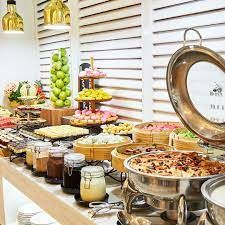
Food arrangements also affect how relaxed people feel at the table. For gatherings with Muslim guests, halal dining can be an important consideration. The Landmark’s international halal buffet menu provides a starting point for discussing dining options with the team.
Confirm the menu available for your event, and discuss vegetarian preferences and allergies separately. Clear food information and staff who can answer questions help guests make choices without uncertainty interrupting the occasion.
Attentive service sustains the room’s atmosphere
The atmosphere needs attention after the doors open. An inviting room can become distracting when used plates accumulate, replenishment stalls or staff move noisily during a speech.
Agree on service timing alongside the programme. Give the venue team clear cues for refreshments, meal service and moments that need quiet. Identify one person who can respond promptly if the room becomes too warm or sound levels need adjusting.
These small interventions help preserve the experience hosts intended. Guests should be able to enjoy the gathering without repeatedly trying to find someone to resolve a minor problem.
FAQs
Can a modest venue budget still create a good atmosphere?
Yes. Prioritise comfortable seating, suitable sound levels, thoughtful lighting and an organised layout. Spend on the details guests will experience throughout the event before adding decorative extras.
How much decoration does an event venue need?
Start with the room’s existing style. A few coordinated details may be enough. Keep centrepieces below guests’ sightlines and leave useful table space for dining.
When should I visit a venue to assess its atmosphere?
Visit near your event’s planned time where possible. Ask to see a comparable setup and check how nearby activities might affect the room.
Can the atmosphere change during the event?
Yes. Plan lighting, music and service cues around the programme. Confirm which controls are available and who will operate them before guests arrive.
What feedback should I collect afterwards?
Ask whether guests could converse comfortably, see the programme, move around easily and remain comfortable throughout. Specific answers make improvements easier to prioritise.