A room arranged for a seminar asks guests to face forward and listen. Put those guests around smaller tables, and the occasion becomes more conversational. Add space for demonstrations or a family ceremony, and the same venue serves a different purpose.
Venue flexibility makes these changes possible through seating choices, room size, presentation arrangements and service planning. For hosts in Singapore, its value lies in creating an occasion that feels right for the people attending. Here is how those choices shape different event experiences.
Change the Layout to Change How Guests Participate
Furniture placement gives guests a clear cue about what they are expected to do. When the arrangement matches the activity, participation becomes easier.
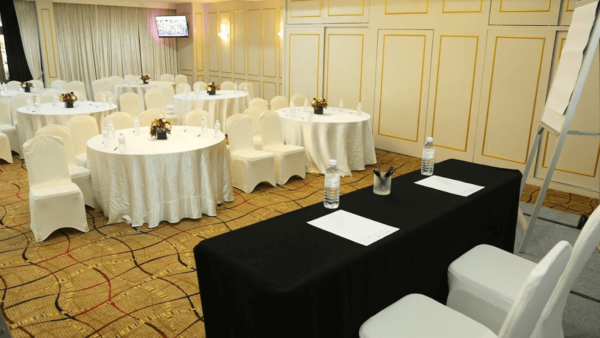
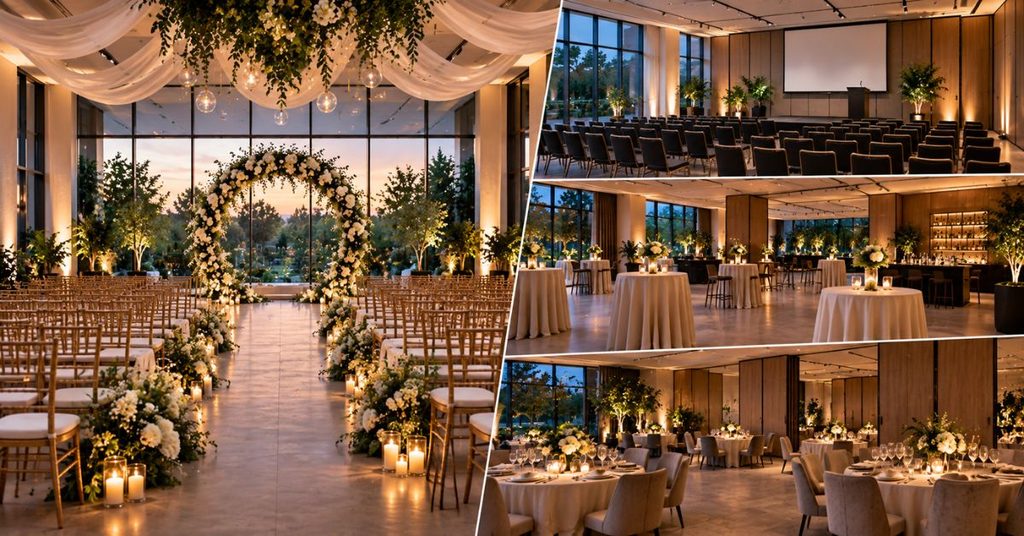
- Theatre seating directs attention towards a speaker, making it useful for briefings and presentations.
- Classroom seating gives participants a work surface for laptops, notes and training materials.
- Cluster seating brings small groups together for discussion, shared tasks and problem-solving.
These are practical options at The Landmark: its seminar package lists all three arrangements. Consider two company gatherings with similar attendance. A management update may suit theatre seating, while a planning workshop benefits from clusters where colleagues can exchange ideas. Choosing the arrangement deliberately changes the event from a session people watch into one they help shape.
Match the Room’s Scale to the Social Atmosphere
Room choice affects how connected a gathering feels. An anniversary celebration can lose its intimacy when guests are scattered across a large space. A lively reception needs enough room for people to join conversations without squeezing past chairs.
The Landmark’s event venue options include Sapphire, Red Velvet and The Landmark Ballroom, with separate capacity listings for standing receptions, seated events and theatre layouts. This illustrates why capacity should be checked against the proposed setup.
For a smaller gathering, ask whether the available room and furniture arrangement can keep guests comfortably grouped. For a larger occasion, allow space for its additional activities. A photo area or presentation stage changes how much floor space remains available. The aim is a room that feels appropriately occupied throughout the event.
Allow One Event to Move Through Different Stages
Many occasions need several experiences within one booking. A product launch might begin with introductions, move into a presentation and finish with demonstrations. A wedding may include solemnisation, dining and family photographs.
Flexibility helps each stage feel intentional. This could mean using separate activity areas or agreeing on a furniture change during a scheduled break.
The crucial detail is the transition. Ask who will move the furniture, how long the change takes and where guests will wait. Spare tables and equipment also need somewhere to go.
For example, a workshop could retain its cluster tables throughout, with participants turning towards the screen for short presentations. That simple arrangement may preserve more discussion time than repeatedly rebuilding the room. The best transition is often the one guests barely notice.
Use Presentation and Styling Choices to Set the Tone
A training session needs readable materials and clear speech. An appreciation dinner needs attention on the award recipients, followed by an atmosphere that encourages relaxed conversation. A birthday celebration might centre on a cake table and family slideshow.
Adaptable presentation arrangements help give each occasion its own identity. The Landmark’s corporate event facilities include audio and visual systems. Discuss their suitability for the specific programme, including screen position, sound coverage and any additional equipment required.
Where lighting adjustments and temporary décor are permitted, use them purposefully. Keep work areas bright enough for reading; position a celebration backdrop where it supports photographs without dominating every view.
Ask to test the planned setup from guest seating. A striking focal point only works when people can see and hear what happens there.
Let Food Service Support the Pace of the Occasion
Food arrangements influence when people pause, move and talk. A short training session may need a refreshment break, while a family celebration may give dining a central place in the programme.
The Landmark’s published seminar options include half-day and full-day formats, with different combinations of coffee breaks and lunch. The brochure specifies restaurant lunch, so organisers should account for that movement when planning the schedule.
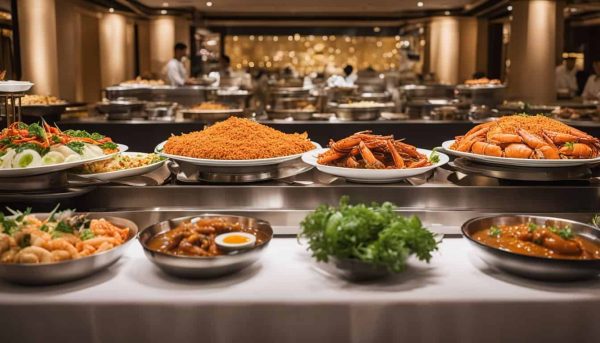
For celebrations, the international halal buffet menu provides a starting point for discussing food preferences. Confirm which menu and service arrangements apply to the event booking.
A meal can create a natural opportunity for colleagues or relatives to reconnect. Give it enough time to do that. Avoid opening food service just as an important speech begins, when guests must choose between collecting their meal and paying attention.
Make Space for Traditions and Different Guest Needs
Personalisation becomes meaningful when the venue can accommodate what matters to the guests. A wedding may need a clearly defined ceremonial area and space for family participation. A celebration involving several generations may need comfortable seating close to the main activity.
The Landmark’s wedding venue offering covers Malay, Indian, Middle Eastern and multicultural celebrations. Discuss the actual ceremony sequence, seating preferences and service timing so that important customs have a practical place in the plan.
Consider individual access needs alongside those traditions. Ask about step-free routes, suitable seating positions and access to dining areas. If a quieter area would help some guests, establish whether one is available.
These adjustments influence who can participate comfortably. They also help a formal programme feel personal to the people it brings together.
FAQs
Can the layout change after the venue is booked?
Ask for the deadline for layout revisions. Changes depend on room availability, furniture, staffing and the agreed setup. Get the final arrangement confirmed in writing.
Does venue flexibility always cost more?
No. Some arrangements use included furniture and equipment. Additional labour, hired items, extended access or another room may cost extra. Request an itemised quotation.
Can I bring my own decorator or AV supplier?
Check the venue’s supplier policy before making separate bookings. Confirm access times, installation restrictions, power requirements and any fees that apply to external suppliers.
Does an event booking include exclusive use?
Confirm exactly which areas are private and which remain shared. Ask about entrances, dining areas and nearby functions, especially if privacy or sound separation matters.