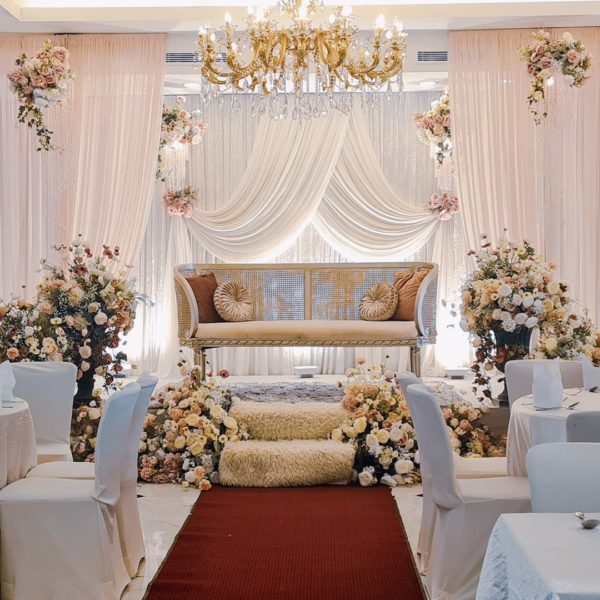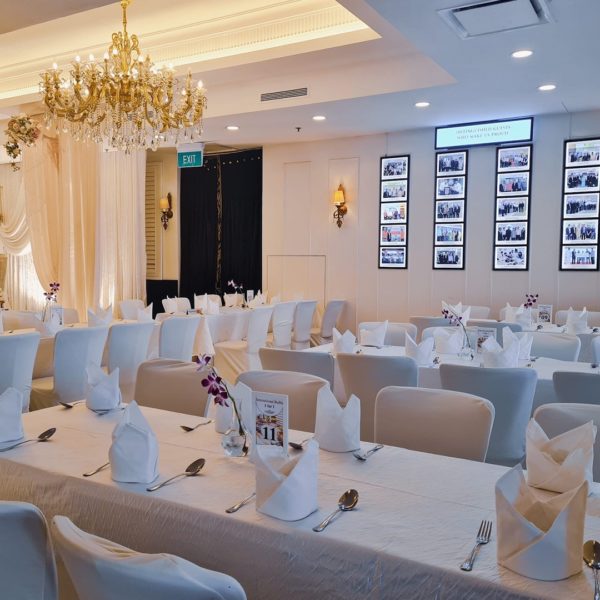
Choose your venue rental around the time your event needs from first access to final clearance. A three-hour presentation can fit comfortably into a half-day booking, or overrun it once registration, equipment checks, refreshments and packing are included.
The useful question is: can everyone arrive, participate and leave without rushing the parts that matter? Start with a realistic running order, then compare it against the venue’s confirmed access window.
Check What “Half-Day” and “Full-Day” Actually Include
These labels need an exact number of hours behind them. The Landmark’s linked seminar package brochure lists a four-hour half-day package and a seven-hour full-day package. It also shows options with or without lunch, with one coffee break for half-day packages and two for full-day packages. Confirm the applicable package when requesting your quotation.
However, a stated duration does not automatically explain when organisers may enter or when suppliers must leave.
Before choosing, establish:
- The earliest organiser and supplier access time.
- When guests can enter the room.
- Whether setup and dismantling fall within the booked hours.
- Whether lunch uses part of the booking period.
- The deadline for returning the room.
For event venue space rental at The Landmark, send your proposed timings with your enquiry. A schedule gives the team something concrete to assess.
Count the Work Around the Main Programme
Build your running order from the first task that requires venue access. This might be placing materials on tables, checking slides or arranging a registration desk.
Then work through the event in sequence: registration, welcome, presentations, discussion, breaks, closing remarks, guest departure and clearance. Give each activity an owner and a realistic duration.
Some tasks can happen together. Registration might continue while a technician checks equipment, provided guests are not entering an unfinished presentation space. Other tasks cannot overlap: a presenter cannot test the microphone while someone else is delivering the opening address.
Include a contingency allowance. If your booking only works when every speaker finishes exactly on time, it has no room for a delayed start or a useful audience question.
Count elapsed time, rather than simply adding every supplier’s working time. This avoids both underbooking and paying for hours you do not need.

When a Half-Day Booking Makes Sense
Half-day hire suits a programme with one clear purpose, limited setup and a consistent room layout. Examples include a briefing, a focused training session or a presentation followed by questions.
Here is an illustrative four-hour schedule. These are planning timings, not confirmed access arrangements at The Landmark.
| Time | Activity |
| 8.30–9.00 am | Organiser setup and equipment checks |
| 9.00–9.15 am | Registration |
| 9.15–10.15 am | First session |
| 10.15–10.35 am | Refreshment break |
| 10.35–11.35 am | Second session |
| 11.35–11.55 am | Questions and closing |
| 11.55 am–12.10 pm | Guest departure and packing |
| 12.10–12.30 pm | Contingency and final clearance |
Notice that four hours of access provide two hours of main sessions, plus questions. This is why a “four-hour workshop” may need more than a four-hour rental.
A shorter booking works best when speakers know their limits, materials are ready beforehand and guests receive clear arrival instructions. If the event needs lunch, add a realistic meal period before deciding whether this format still fits.
When a Full-Day Booking Earns Its Extra Time
Full-day hire becomes useful when participants need to do something with the information presented.
A training programme might require an explanation, a practical exercise, group feedback and a final assessment. Compressing those stages can leave attendees listening for most of the session and practising very little.
A longer booking also suits programmes involving several speakers, demonstrations or decisions that require discussion. The extra time should have a clear job: allowing participants to complete an exercise, compare proposals or agree on next steps.
Write down the outcome of each session. If removing an hour would prevent the event from achieving its purpose, full-day hire deserves serious consideration.
However, seven hours is still a fixed window. A full-day booking does not automatically cover an early supplier arrival or an evening networking session.
Allow for Meals and Room Changes
Lunch needs time for people to leave their seats, reach the dining area, eat and return. A coffee break also includes movement and conversation, not just drinking.
The Landmark’s seminar brochure specifies lunch at its restaurant and lists cluster, theatre and classroom seating arrangements. These details are worth discussing alongside your programme because dining location and seating format affect transitions.
Check the available event venues against the layout your activities need. A presentation followed by group work may be easier in one suitable arrangement throughout.
If furniture must move, ask who handles the change and how long it takes. Do not assume a break is long enough for refreshments, a full room reset and equipment checks. Guests also need somewhere suitable to wait while the room is being rearranged.
Compare the Total Cost of a Workable Booking
Ask for half-day and full-day quotations based on the same guest count, equipment requirements and meal plan. Otherwise, the cheaper figure may simply include less.
Check the guaranteed attendance requirement, catering inclusions, technical support, additional access charges and overtime terms. Request the final payable total so the comparison reflects the actual commitment.
For a programme slightly longer than half a day, ask whether a shorter package with an agreed extension is available. Compare that total with a full-day hire.
Do not rely on extending the booking on the day. The room may be needed for another event, and paying overtime cannot create availability.
Five Frequently Asked Questions
1. Can a three-hour seminar fit into a half-day rental?
Yes, if registration, setup, breaks and clearance fit into the remaining time or have separately agreed access. Three hours of speaking alone may leave insufficient room.
2. Does full-day hire include unlimited setup time?
Do not assume so. Ask for the earliest access time and final clearance deadline in writing, including arrangements for external suppliers.
3. Should lunch count as programme time?
Include it in your running order. Separately confirm whether dining time falls inside the venue hire period and whether the event room remains available during lunch.
4. Is half-day hire suitable for a large audience?
It can be. Audience size mainly affects registration, movement and service time. Test those transitions against the schedule rather than choosing by guest count alone.
5. What should I send when requesting a quotation?
Provide the date, attendance, preferred layout, complete running order, catering needs, equipment requirements and supplier access times. Identify any timings that cannot change.