A comfortable family reunion starts with a seating plan that reflects how people will use the room. Grandparents may want easy conversation, parents need space to help young children, and cousins want to catch up without being separated across the venue.
Before assigning tables, work out who needs assistance, which relatives should sit together and how everyone will move between their seats, the food and the toilets. Those decisions matter more than fitting the maximum number of chairs into a room.
Here is how to plan seating for three generations at a family reunion in Singapore.
Start With Guests’ Needs, Not Table Numbers
Ask each household about practical seating needs when collecting RSVPs. Keep the questions specific and discreet:
- Does anyone need space for a wheelchair or walking aid?
- How many children need highchairs?
- Will anyone bring a pram?
- Who would prefer a quieter seat?
- Does anyone need to sit beside a particular relative or caregiver?
Avoid assuming that everyone of the same age has the same requirements. One grandparent may enjoy sitting with energetic grandchildren; another may prefer a quieter conversation with siblings.
Count babies and toddlers in your planning even if their meal arrangements differ from those of adults. Highchairs and prams occupy space, and parents still need room to sit comfortably beside them.
Choose a Room Around the Complete Layout
A published seating capacity is a starting point. Your reunion may also need a buffet queue, a photograph area, a welcome table or somewhere to leave bags.
The Landmark’s event venues in Singapore include these indoor options:
| Venue | Published seating capacity |
| Sapphire | 100 |
| Red Velvet | 150 |
| The Landmark Ballroom | 250 |
These figures appear in the venue’s individual room tables. Confirm the suitable guest count for your proposed dining arrangement before booking.
Ask for a floor plan showing dining tables alongside any food stations and activity areas. A room that accommodates your headcount may still feel crowded once additional equipment is included.
Equally, a larger room needs a thoughtful arrangement for a smaller gathering. Ask whether tables can be grouped closely enough to maintain a warm atmosphere while preserving comfortable circulation.
Match Table Shape to the Way Your Family Socialises
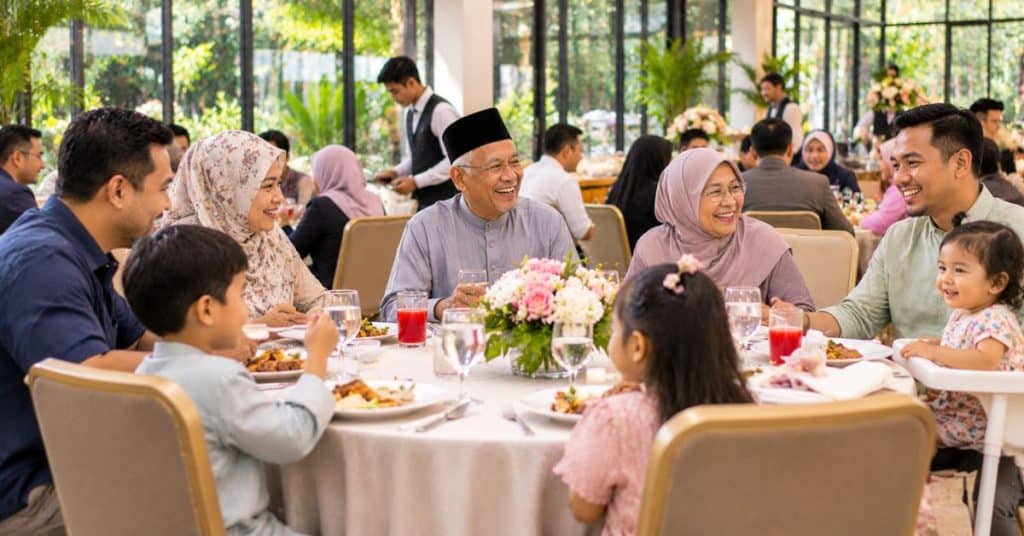
Round tables can make it easier for a small group to see one another, although conversation across a large table may still be difficult. Long tables keep relatives in one continuous arrangement, but guests usually speak most easily with the people immediately beside or opposite them.
Ask the venue which table shapes and sizes are available. Then choose a layout based on your family’s habits.
For several family branches, separate tables with a mixture of generations can work well. For a smaller reunion, a shared table may feel more natural, provided guests can leave their seats without disturbing several others.
Check the table setting too. Shared dishes, drinks, serving utensils and decorations all compete for space. Keep centrepieces low and modest so relatives can see each other and reach what they need.
Keep Older Relatives Included and Comfortable
Offer older guests a choice of companions and location. A quiet seat is useful only if it still feels connected to the gathering.
Consider seats with:
- A straightforward route into and out of the dining area.
- A clear view of anyone making announcements.
- Some distance from loudspeakers and busy service doors.
- Comfortable lighting and no direct blast of air conditioning.
During a venue visit, try the actual dining chair. Check whether it feels stable, provides suitable back support and allows the guest to sit down and stand up comfortably. Ask about alternative chairs if someone needs a particular seat type.
For wheelchair users, confirm that the table offers usable knee space and that table legs do not obstruct their position. Include their place within the family group, with a companion beside them if requested.
Seat Children Where Parents Can Help Easily
Young children usually need a parent or familiar adult directly beside them. A separate children’s table is more suitable for children who can manage their meal independently, with supervision agreed in advance.
Place highchairs within the table arrangement rather than projecting into a walkway. Ask the venue to show how they will fit alongside ordinary chairs.
Keep children away from busy routes where staff carry hot food or clear dishes. Avoid seating a toddler beside a food station simply because it appears convenient for collecting meals.
If older cousins share a table, put it within clear sight of responsible adults. Simple colouring materials can help during waiting periods, but keep any activity area separate from dining and service routes. Agree where prams can be parked without blocking anyone’s seat.
Test Movement With Chairs Pulled Out
An empty room can look spacious while becoming awkward once everyone sits down. Review the layout with chairs in their occupied positions.
Walk the routes guests will use: from the entrance to their table, from their table to the toilets, and between seating and food service. Look for places where a queue could obstruct people leaving their seats.
Ask the venue to confirm appropriate clearances and accessible routes for the final arrangement. Check the journey from the arrival point to the room as well, including lift access where needed.
Mark planned positions for prams, walking aids and spare chairs. These items should remain conveniently accessible without being placed in circulation routes. Keep exits unobstructed throughout the reunion.
Coordinate Seating With Food Service
Food service affects how often guests leave their seats and how much assistance they need.
With a buffet, ask whether tables can be invited up in stages to reduce crowding. Arrange for willing relatives to help anyone who requests assistance, while ensuring parents can take turns collecting food without leaving young children unattended.
For shared dishes, check whether the table has sufficient space and whether everyone can reach comfortably.
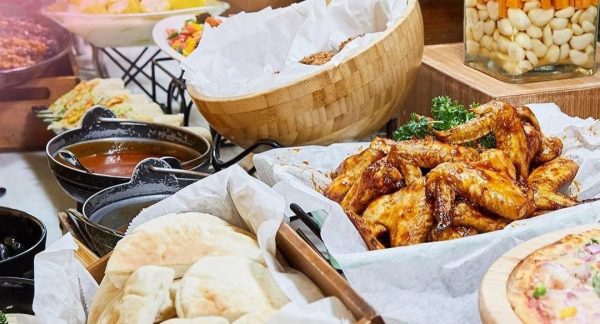
Review The Landmark’s menu before discussing arrangements with the team. Confirm which options apply to your event, along with children’s meals, dietary requests and any available serving assistance.
Give the organiser a simple table list identifying meal requirements discreetly. Avoid putting personal health information on public place cards.
Make the Next Reunion Easier to Plan
Before the event, contact The Landmark to confirm the final headcount, table plan, highchairs and specific seating requests. Nominate one family member to handle changes so staff receive clear instructions.
The strongest seating plan gives every generation room to eat, talk and participate without unnecessary effort. After the reunion, note what worked and what relatives would change. Updating those details each year helps future gatherings remain comfortable as children grow and family needs change.
Frequently Asked Questions
1. Should grandparents sit at a separate table?
Only if they prefer it. Seat them with people they enjoy talking to, and ask about noise, access and assistance rather than grouping everyone by age.
2. How many guests should sit at each table?
Ask the venue about the usable capacity of its actual tables. Allow for highchairs, wheelchair positions and shared dishes before deciding the final number.
3. Is assigned seating better than open seating?
Assigned tables help preserve suitable places for guests with specific needs. You can leave individual seats flexible except where a particular position is important.
4. What should we check during a venue visit?
Try the chairs, inspect the table layout and walk the arrival and toilet routes. Check lighting, speaker positions and space around occupied seats.
5. How should late arrivals be seated?
Reserve their places with their family group. Tell the organiser which guests may arrive late so those seats are not reassigned or filled with belongings.