A memorable Malay banquet gives guests a reason to enjoy every part of the meal: fragrant nasi minyak beneath tender rendang, a sharp spoonful of achar between richer bites, and traditional sweets worth saving room for. The pleasure comes from how the dishes work together.
For weddings, family celebrations and corporate gatherings in Singapore, that balance makes menu planning easier. The dishes below appear in The Landmark’s Malay celebration buffet menu. Each brings something different to the table, from a substantial centrepiece to the small accompaniment that makes the next mouthful more enjoyable.
Nasi Minyak: Fragrance That Sets Up the Meal
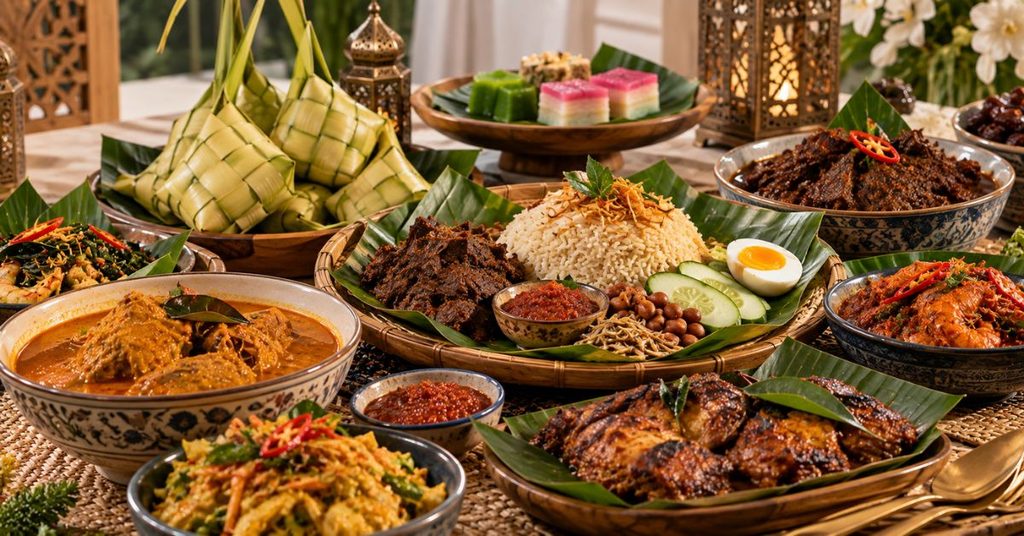
Nasi minyak gives the banquet a generous, celebratory starting point. The Landmark’s version uses basmati rice with ghee and spices, creating an aromatic base for the dishes served alongside it.
For a well-composed plate, start with a modest serving and add sauces selectively. This lets guests enjoy the rice’s fragrance before mixing in stronger flavours. Pair it with ayam masak merah for a tomato-led combination, or rendang for something deeper and richer.
When discussing the menu, pay attention to the rice itself. Separate, tender grains and restrained greasiness matter just as much as the meat dishes that usually receive more attention.
Beef Rendang: A Rich Centrepiece Worth Savouring
Rendang earns its place through concentrated flavour and patient cooking. Beef cooks slowly with coconut milk and spices, developing the richness that makes a small portion satisfying. The dish belongs to a shared regional food tradition, with variations enjoyed across Indonesia, Malaysia and Singapore.
At a banquet, look for meat that yields easily while retaining its shape. The spice coating should contribute depth without overwhelming everything else on the plate.
Give rendang room to stand out. A little rice and a tangy accompaniment make a more considered pairing than covering it with several other gravies. For guests who enjoy robust flavours, this can be the dish they return for.
Ayam Masak Merah: Colour and Tomato-Based Warmth
Ayam masak merah brings a vivid red sauce and a different flavour profile to the main course. The Landmark describes its preparation as chicken in a spicy tomato sauce.
Its value on the menu is contrast: the tomato character offers another direction alongside coconut-rich beef. It also gives guests who prefer poultry a substantial main dish of their own.
For family gatherings, ask about the actual chilli level. A red sauce does not tell you exactly how hot a particular preparation will be. If many children are attending, discuss a suitable option before confirming the menu.
Sambal Udang: A Lively Seafood Dish
Sambal prawns introduce seafood sweetness and a firmer texture among the slower-cooked dishes. The Landmark lists prawns prepared with chilli paste on its Malay celebration menu.
The appeal depends on balance. You should still be able to appreciate the prawns beneath the sambal. Recipes differ considerably: Singapore’s heritage record describes sambal’s many ingredients and forms, including variations shaped by individual families.
For banquet service, ask how the prawns will be presented. Shells can add handling work for guests in formal clothes, so clarify the preparation and whether suitable utensils will be provided. That small practical detail affects how comfortably people enjoy the dish.
Vegetable Dalcha: A Satisfying Spoonful Alongside Rice
Vegetable dalcha adds lentils and vegetables to the spread. It gives guests another way to build a satisfying plate without relying on a large serving of meat.
Its softer texture works particularly well alongside fragrant rice. Serve yourself a little at first so the lentil gravy complements the other dishes without merging every flavour together.
When reviewing the menu, treat dalcha as a dish deserving attention. Ask which vegetables will be used and how substantial the serving will be. A thoughtfully prepared vegetable dish helps the whole banquet feel more complete.
Malay Achar: The Small Side That Changes Each Bite
Malay achar brings acidity and crunch. The Landmark’s menu specifies cucumber and carrot with vinegar and spices.
Those crisp, tangy bites are especially welcome beside ghee rice and rich sauces. Achar gives guests a way to vary the meal without choosing another main course.
Make it easy to find on the buffet, close to the rice and savoury dishes. For shared tables, request a separate serving bowl so guests can add their preferred amount. A small accompaniment can make a considerable difference when it is served with the same care as the centrepiece.
Assorted Malay Kueh: A Dessert Table With Variety
Malay kueh bring different colours, shapes and textures to the end of the meal. Coconut, pandan, glutinous rice and palm sugar feature in many traditional varieties, and kueh have an established place at weddings and festive occasions. Singapore’s kueh heritage captures this connection between food and celebration.
For a banquet, choose variety with purpose. Ask for contrasting textures where available, giving guests more to explore than several similar sweets.
Smaller pieces encourage tasting and suit guests who only want a little dessert. Keep the presentation easy to navigate, with individual names displayed so guests can identify a favourite or try something unfamiliar.
Bubur Pulut Hitam: A Comforting Final Bowl
Bubur pulut hitam offers a spoonable dessert alongside the kueh. The Landmark lists black glutinous rice served with coconut milk.
Its appeal is textural: soft grains with a gentle chew, finished with coconut richness. A small bowl gives the meal a relaxed ending and invites guests to linger over conversation.
Consider portion size when planning dessert service. With kueh also available, guests should be able to sample the porridge comfortably. Make bowls and spoons easy to reach so the final course feels as welcoming as the first.
FAQs
Are traditional Malay dishes automatically halal?
The dish name alone does not establish halal status. Check the provider’s current certification and relevant premises through the MUIS halal establishment directory.
Can this menu accommodate vegetarian guests?
Discuss a complete vegetarian meal with the venue. Confirm stocks, pastes and cooking ingredients before treating a vegetable-based dish as vegetarian.
What should guests with food allergies check?
Provide specific allergies in advance and request ingredient and cross-contact information. Pay particular attention to prawns, milk-based ghee and the ingredients in each dessert.
Which Malay kueh does The Landmark include?
Its published celebration menu specifies three chef-selected varieties. Ask for the planned selection for your event date through The Landmark’s contact page.
Are these dishes available in every banquet package?
Confirm the menu attached to your chosen package. The published Malay celebration selection should not be assumed to apply to every wedding, restaurant buffet or delivery order